Introduction
Embarking on a new relationship is an exciting time, filled with hope and potential. However, it's also crucial to remain aware of the warning signs that could indicate a relationship is unhealthy or even toxic. A 'relationship red flags quiz' can serve as a valuable tool for self-assessment, helping you identify potential issues before they escalate. This guide will help you understand common red flags, assess your current or potential relationships, and take steps to ensure your well-being.
Key Takeaways
- • Relationship red flags are crucial indicators of potential problems.
- • Common red flags include controlling behavior, lack of respect, and poor communication.
- • A self-assessment relationship quiz can help identify these warning signs.
- • Prioritizing your emotional health and safety is paramount.
- • Seeking support and setting boundaries are vital steps when red flags appear.
What Are Relationship Red Flags?
Relationship red flags are behaviors or attitudes that signal potential problems, unhealthy dynamics, or future risks within a romantic connection. Recognizing these indicators is the first step toward protecting your emotional health.
Key points
- • Red flags are early warning signs.
- • They can range from subtle to overt.
- • Ignoring them can lead to unhealthy or toxic relationships.
- • Self-awareness is key to spotting them.
Action steps
- Reflect on past relationship patterns.
- Trust your intuition when something feels off.
- Educate yourself on common toxic relationship indicators.
Common Warning Signs in Dating and Relationships
Many behaviors can signal that a relationship isn't healthy. These 'toxic relationship indicators' require careful observation and consideration.
Key points
- • Controlling behavior: Excessive jealousy, monitoring your whereabouts, dictating who you can see or talk to.
- • Lack of respect: Dismissing your feelings, constant criticism, belittling you or your accomplishments.
- • Poor communication: Refusal to discuss issues, frequent yelling, stonewalling, or gaslighting.
- • Isolation: Trying to separate you from friends, family, or your support system.
- • Constant conflict: Frequent, intense arguments without resolution.
- • Unreliability: Broken promises, inconsistency in words and actions.
- • Emotional manipulation: Guilt-tripping, playing the victim, or using threats.
- • Disregard for boundaries: Repeatedly ignoring your stated limits.
- • Signs of emotional abuse: Gaslighting, manipulation, constant criticism, or making you feel inadequate.
Action steps
- Keep a private journal of relationship interactions.
- Discuss concerns with a trusted friend or therapist.
- Observe patterns over time, not just isolated incidents.
- Evaluate how their behavior makes you feel.
Explore the directory
Find Trusted Guidance for Your Relationship Journey
Explore Relationship Resources.
Browse DirectoryTaking a Self-Assessment Relationship Quiz
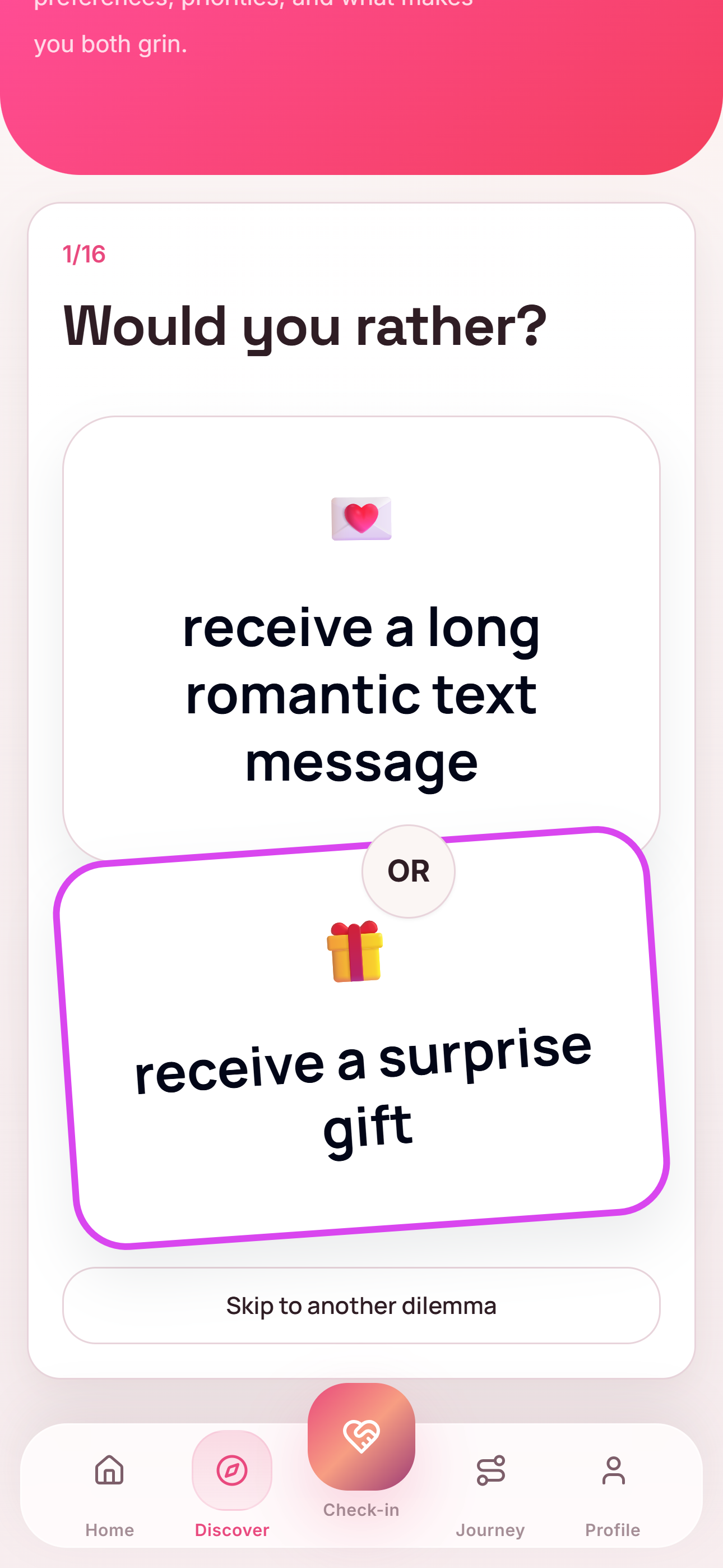
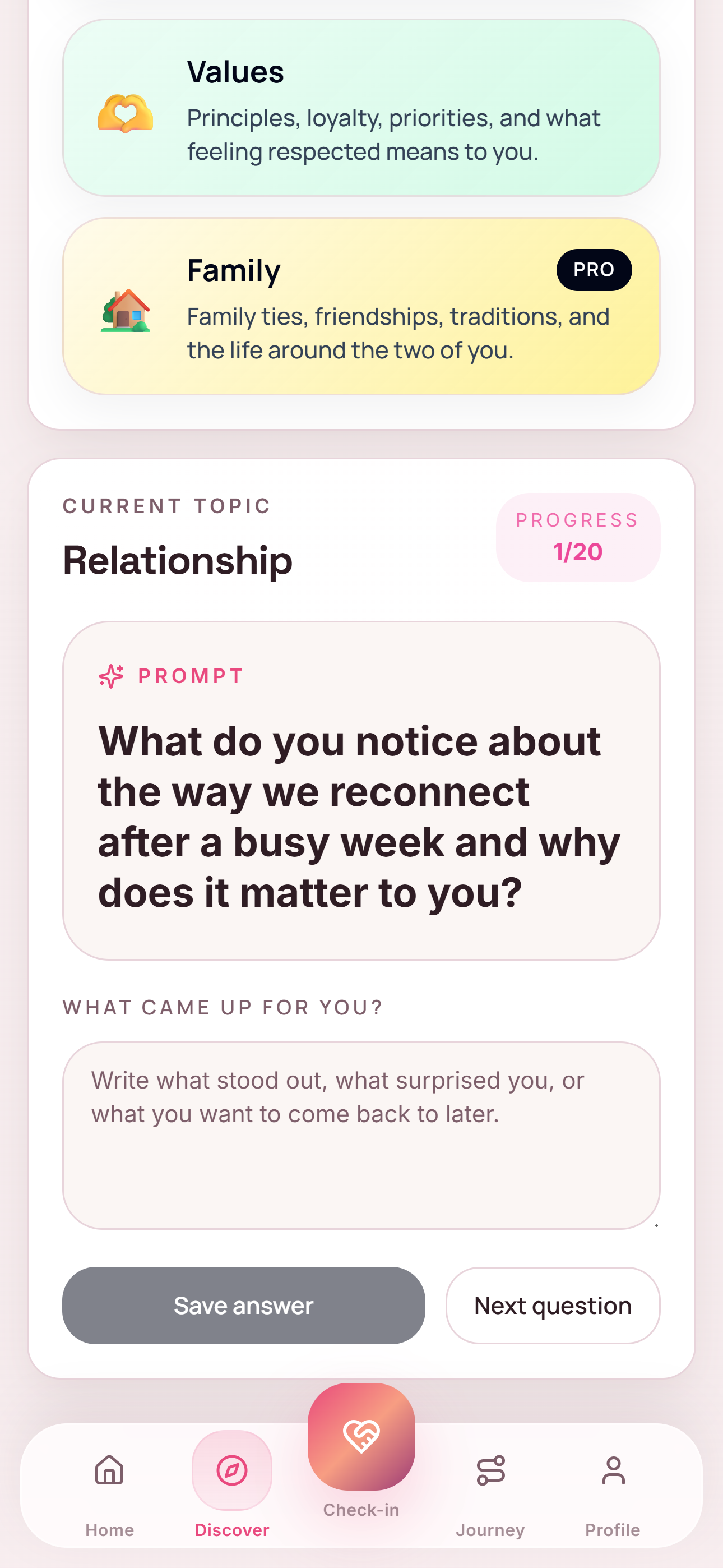
A relationship red flags quiz provides a structured way to assess your relationship's health and your partner's behaviors. It's a valuable self-assessment tool.
Key points
- • Quizzes offer a starting point for reflection.
- • They help normalize discussions about relationship issues.
- • Focus on the patterns and themes the quiz highlights.
- • No quiz is definitive; consider your overall feelings and experiences.
Action steps
- Answer honestly and thoughtfully.
- Consider taking the quiz multiple times if your relationship evolves.
- Use the results as a prompt for deeper self-reflection and conversation.
- Don't rely solely on a quiz; integrate its insights with your lived experience.
What to Do If You Identify Red Flags
Discovering warning signs in a relationship can be difficult, but it's an opportunity to prioritize your well-being and make informed decisions.
Key points
- • Acknowledge your feelings and concerns.
- • Communicate your observations and feelings to your partner (if safe to do so).
- • Observe their reaction and willingness to address the issues.
- • Seek support from friends, family, or a therapist.
- • Re-evaluate the relationship's future based on their response and your comfort level.
- • Prioritize your safety and emotional health above all else.
Action steps
- If you feel unsafe, reach out to a support hotline or trusted individual immediately.
- Set clear boundaries and be prepared to enforce them.
- If communication is impossible or unsafe, consider ending the relationship.
- Seek professional help to process the experience and make decisions.
Frequently Asked Questions
What is the most important red flag in a relationship?
While many red flags are serious, controlling behavior and any form of abuse (emotional, verbal, physical) are among the most critical warning signs that require immediate attention and prioritizing safety.
Can a relationship recover if red flags are present?
Sometimes, yes, but it requires significant effort, awareness, and willingness from both partners to change the unhealthy dynamics. Open communication, professional counseling, and consistent effort are usually necessary. However, if the red flags involve abuse or a persistent lack of respect, recovery may not be possible or advisable.
How can I use a relationship red flags quiz effectively?
Use the quiz as a tool for self-reflection, not a definitive judgment. Be honest with your answers and consider the patterns that emerge. Discuss the findings with a trusted friend or therapist, and use them as a starting point for understanding your relationship dynamics better.
What if I'm afraid to confront my partner about red flags?
If you feel unsafe confronting your partner, prioritize your safety. Reach out to trusted friends, family, or a domestic violence hotline for support and guidance. You don't have to face this alone.
Conclusion
Navigating relationships requires awareness and self-care. By understanding common red flags and using tools like a relationship red flags quiz, you can make more informed decisions about your romantic life. Remember, a healthy relationship is built on respect, trust, and mutual well-being. Don't hesitate to seek support or end a relationship if it consistently displays toxic relationship indicators or emotional abuse signs. Your happiness and safety are always the top priority.
Author
Lovers Heart Map Editorial Team
Editorial Team
Editorial team focused on useful, well-researched guidance.
Explore the directory
Find Trusted Guidance for Your Relationship Journey
Explore Relationship Resources.
Browse DirectoryRelated Blogs
More relationship, dating, and marriage guides you may find useful.
Important Disclaimer
Content on this page is for general educational and informational purposes only and is not legal, mental-health, or professional counseling advice.
Lovers Heart Map does not provide therapy, legal representation, or emergency intervention services. If you are in immediate danger, contact your local emergency services.
Relationship situations are highly personal and culturally diverse. Use your judgment and consult qualified local professionals for advice specific to your circumstances.